ISAs and Tax-Free Saving
Can You Have Multiple ISAs and Pay Into More Than One a Year?
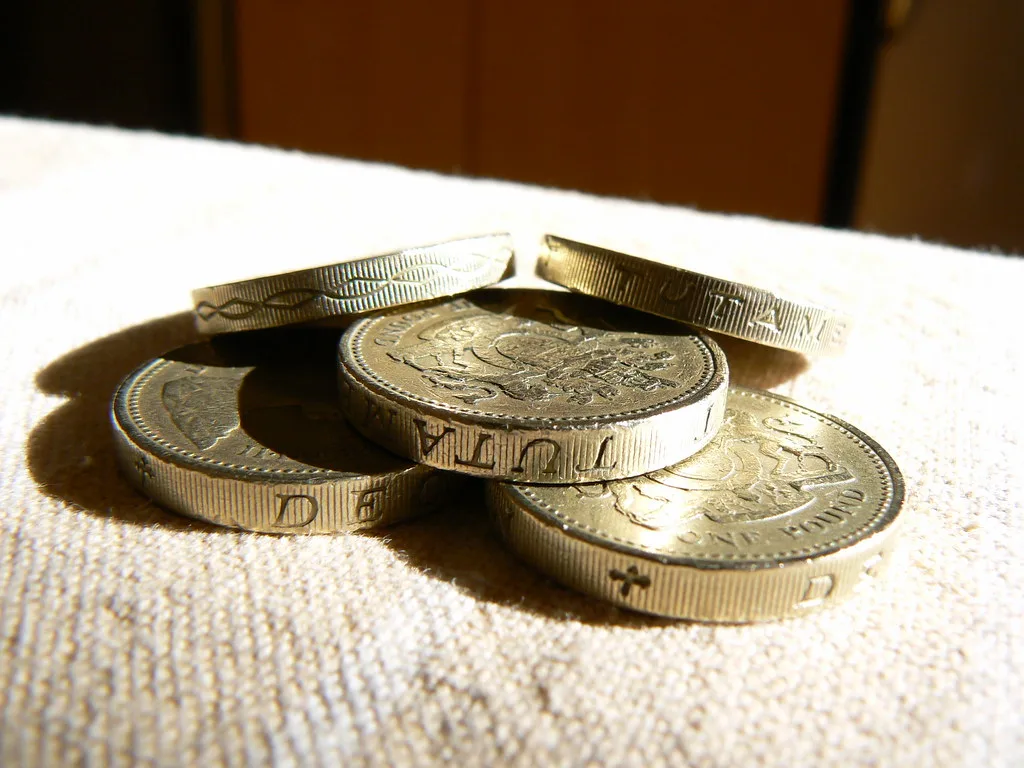
Can you have multiple ISAs? Yes, and since April 2024 you can also pay into more than one ISA of the same type in a single tax year, which used to be against the rules. This is one of the more useful changes UK savers have had in years, but it is widely misunderstood, because the one limit that still bites, your £20,000 annual allowance, has not changed at all. This guide sets out exactly what you can and cannot do in the 2026/27 tax year, so you can spread your money across providers without accidentally breaking the rules or wasting allowance.
The short answer
You can hold as many ISAs as you like, built up over the years, and in the current tax year you can pay new money into several of them at once, including more than one of the same type. What you cannot do is pay in more than £20,000 in total across all of them in one tax year. The number of accounts is unlimited; the money going in each year is capped.
What changed in April 2024
Before 6 April 2024, the rule was restrictive: in any one tax year you could only pay new money into one ISA of each type. If you opened a cash ISA with one bank in April, you were stuck with it for the rest of the year. From April 2024 that restriction was scrapped for adult ISAs. You can now open and subscribe to multiple ISAs of the same type in the same year, so you could, for example, split your cash ISA money between two banks chasing the best rates, or run two stocks and shares ISAs at different platforms. HMRC removed the old requirement, and it remains the position for 2026/27. The official rules are set out on the gov.uk ISA pages.
The £20,000 allowance is the real limit
This is where people trip up. The £20,000 ISA allowance for 2026/27 is a single, combined figure across every adult ISA you pay into. It is not £20,000 per account and not £20,000 per type. If you put £15,000 into a stocks and shares ISA, you have £5,000 left to split however you like across any other ISAs that year. Once you have paid in £20,000 in total, you are done until the next tax year, no matter how many accounts you hold. Our guide to the ISA allowance for 2026/27 covers the limits in full, and the wider ISAs explained pillar walks through each ISA type.
The exceptions worth knowing
A few rules survived the 2024 reforms and still catch people out:
- Lifetime ISAs: you can only pay into one Lifetime ISA per tax year, and the LISA contribution limit stays at £4,000. Anything you pay into a LISA also counts towards your overall £20,000 allowance. See Lifetime ISA explained for the bonus and penalty rules.
- Same provider, same type: many providers still will not let you open a second ISA of the same type with them in the same year, even though HMRC now allows it across different providers. It is a platform limitation, not a legal one.
- Junior ISAs sit outside all of this. A child’s JISA has its own £9,000 allowance and does not touch your £20,000.
- Flexible ISAs: if your ISA is “flexible”, money you withdraw and replace in the same tax year does not use up fresh allowance, but only if you replace it in the same ISA.
When holding multiple ISAs actually helps
More accounts is not automatically better. It helps in specific cases: chasing a better cash ISA rate mid-year without closing the first one; keeping a cash ISA for short-term savings alongside a stocks and shares ISA for long-term investing; or moving to a cheaper investment platform while leaving old money where it is. It hurts when it means paying two sets of platform fees for no reason, or scattering small pots you then lose track of. For most people the tidy approach still wins: one stocks and shares ISA on a low-cost platform, topped up regularly. If you want to consolidate rather than multiply, how to transfer an ISA explains how to move old ISAs without losing their tax-free status or using up this year’s allowance.
Watch the transfer trap
One thing multiple ISAs must not tempt you into: withdrawing money from an old ISA and paying it into a new one. That counts as a fresh subscription and eats into your £20,000, and you lose the tax-free wrapper on money built up in previous years. Always move existing ISA money using the official transfer process, where the providers move it between themselves. New money from your bank account is what counts towards the annual allowance; transferred ISA money does not. Get those two straight and multiple ISAs become a genuinely useful tool rather than a way to waste allowance.
Frequently asked questions
Can you pay into two ISAs of the same type in the same year? Yes. Since 6 April 2024 you can pay new money into more than one ISA of the same type in a single tax year, such as two cash ISAs or two stocks and shares ISAs, as long as your total contributions stay within the £20,000 allowance.
How many ISAs can you have in total? There is no limit on the number of ISAs you can hold. You can accumulate many over the years. The only annual limit is the £20,000 you can pay in across all of them in one tax year.
Is the £20,000 allowance per ISA or in total? In total. The £20,000 for 2026/27 is a combined limit across every adult ISA you subscribe to. You can split it however you like, but the sum of all new contributions cannot exceed £20,000.
Can you have more than one Lifetime ISA? You can hold more than one LISA built up over the years, but you can only pay into one Lifetime ISA per tax year, up to the £4,000 limit, which also counts towards your overall £20,000 allowance.
Does transferring an ISA use up my allowance? No. Transferring existing ISA money through the official provider-to-provider process does not use any of your £20,000 annual allowance. Only new money paid in from outside your ISAs counts.